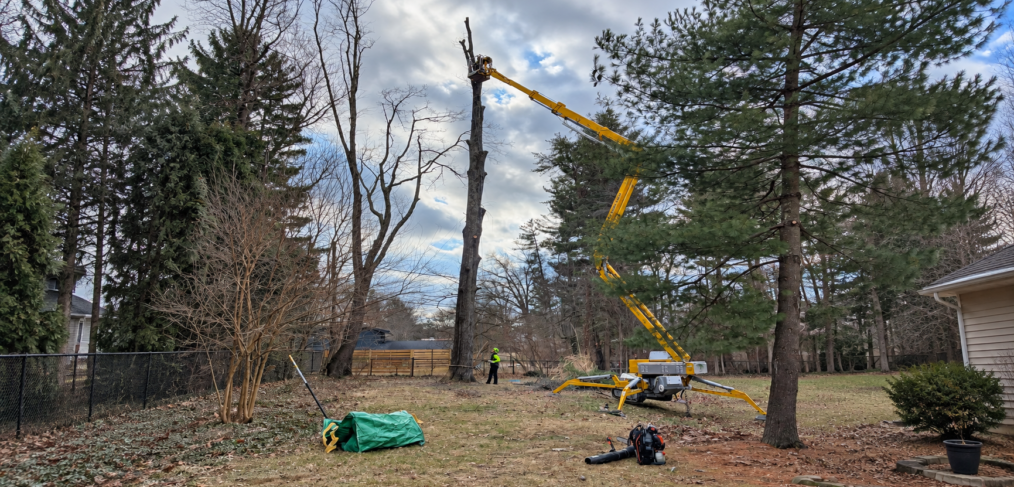
Forestry Mulching Land Clearing Service in Bloomington, IN

How Mulch Improves Soil and Plant Health: A Three-Step System Using Compost, Biochar, and Mulch

Healthy soil is the foundation of healthy plants. Whether you’re growing trees, shrubs, gardens, or maintaining a landscape, long-term plant health depends on what’s happening below the surface. While fertilizers can offer short-term results, true soil improvement comes from building organic matter and supporting soil biology.

Mulch, compost, and biochar are often treated as separate products, but when used together they form a simple, proven system for improving soil structure, increasing water retention, and promoting stronger root growth. When applied correctly, this three-step approach mimics natural soil processes and produces lasting results.

Step One: Compost — Improving Soil Biology and Nutrient Availability

Compost is the starting point for building healthy soil. It adds organic matter, improves soil structure, and introduces beneficial microorganisms that support plant growth. In natural environments, plants thrive in biologically active soil rich in decomposing organic material. Compost helps recreate those conditions in landscapes and gardens.

Adding compost improves both heavy clay and sandy soils. Clay soils become more workable and better drained, while sandy soils gain the ability to hold moisture and nutrients. Compost also improves nutrient availability by feeding soil microbes that convert organic matter into forms plants can absorb.

Unlike synthetic fertilizers that release nutrients quickly, compost provides slow, steady nutrition. This reduces nutrient runoff and supports consistent plant growth throughout the growing season. Compost works best when applied directly to the soil surface or lightly incorporated before planting.

While compost delivers immediate benefits, it breaks down over time. To extend those benefits and stabilize nutrients in the soil, a longer-term component is needed.


Step Two: Biochar — Enhancing Soil Structure and Long-Term Fertility

Biochar plays a critical role in long-term soil health. Produced by heating organic material in a low-oxygen environment, biochar is a stable form of carbon that remains in soil for decades. Its highly porous structure improves soil aeration, water retention, and nutrient storage.

When blended with compost, biochar acts like a nutrient sponge. It captures nutrients released by compost and holds them in the root zone instead of allowing them to leach away. These pores also provide habitat for beneficial soil microbes, increasing biological activity and nutrient cycling.

Unlike compost, biochar does not decompose quickly. This makes it especially valuable for tree plantings, perennial beds, and landscapes where long-term soil improvement is the goal. Properly charged biochar helps buffer soil pH, reduces nutrient loss, and improves drought resistance.

Used together, compost feeds the soil while biochar protects and stabilizes those gains.

Step Three: Mulch — Protecting Soil and Supporting Root Health

Mulch is the final layer that protects everything beneath it. While mulch is often chosen for appearance, its real value lies in soil protection and moisture management.

A properly applied mulch layer regulates soil temperature, keeping roots cooler in summer and insulated in winter. Mulch reduces evaporation, conserves water, and minimizes soil erosion during heavy rain. It also suppresses weeds, reducing competition for water and nutrients.

As organic mulch slowly breaks down, it continues adding organic matter to the soil. Wood mulch in particular supports beneficial fungi that are essential for tree and perennial plant health. Over time, mulch becomes part of the soil-building process rather than just a surface covering.

Why Volcano Mulching Is Bad for Trees and Plants

One of the most common landscaping mistakes is volcano mulching, where mulch is piled high against the trunk of a tree or plant. While it may look tidy, this practice causes serious long-term damage.

Tree trunks and plant crowns are not designed to be buried. Excess mulch traps moisture against the bark, leading to rot, fungal disease, and insect problems. Over time, this weakens the plant and shortens its lifespan.

Volcano mulching also disrupts proper root growth. Roots should spread outward in search of oxygen and nutrients. When mulch is piled against the trunk, roots are encouraged to grow upward or circle the stem, leading to girdling roots that restrict water and nutrient flow.

The correct mulching method is simple: keep mulch pulled back several inches from the trunk and spread it evenly in a flat or donut-shaped ring. Mulch should protect the soil—not suffocate the plant.

Why Compost, Biochar, and Mulch Work Best Together

Each of these materials improves soil on its own, but together they create a complete soil health system.

  • Compost provides nutrients and feeds soil biology
  • Biochar improves soil structure and locks nutrients in place
  • Mulch protects soil, regulates moisture, and supports long-term organic matter buildup

This layered approach mirrors how healthy forests build soil naturally. Organic material accumulates on the surface, decomposes slowly, and feeds the soil ecosystem from the top down.

Long-Term Benefits of Healthy Soil

Soils rich in organic matter support deeper root systems, making plants more drought-tolerant and resilient. Improved soil structure allows water to infiltrate more effectively while preventing compaction and runoff.

Over time, healthy soil reduces the need for fertilizers, irrigation, and corrective treatments. Landscapes become more self-sustaining, and plants are better equipped to handle stress, pests, and changing weather conditions.

Building Soil That Lasts

Healthy soil isn’t created overnight. It’s built layer by layer using proven materials and proper application. Compost jump-starts biological activity, biochar provides long-term stability, and mulch protects and sustains the system when applied correctly.

By focusing on soil health rather than quick fixes, you create landscapes that improve year after year. Better soil leads to healthier plants, stronger roots, and long-term success.

Don’t Wait Too Long: Indiana’s Bat Window Will Impact Your 2026 Projects

Don’t Wait Too Long: Indiana’s Bat Window Will Impact Your 2026 Projects

Emergency Bloomington Tree Removal at Monroe County Courthouse

(A reminder for counties, engineers, utilities, and contractors)

If you have roadway projects, drainage improvements, utility work, site development, or storm-mitigation work planned for spring or summer, now is the time to schedule your tree clearing. Indiana follows strict federal guidelines protecting endangered bat species, and these guidelines directly affect when trees can be removed.

Most project delays we see each year have one thing in common:

Tree clearing was scheduled too close to the April 1 bat restriction date.

Here’s what every project manager should know.

🕒 Indiana’s Seasonal Tree Clearing Restrictions

From April 1 through September 30, tree removal is restricted on projects that involve:

  • Federal or state funding (INDOT, FEMA, USDA, NRCS)
  • County or municipal road work
  • Drainage and watershed improvements
  • Utility and right-of-way projects
  • Commercial or subdivision development
  • Any work requiring federal permits (e.g., USACE 404 permits)

This window is in place to protect maternity roosting habitat for the endangered Indiana bat and Northern long-eared bat.

What this means for you:

If trees are not removed before April 1, your entire project schedule may shift 6+ months.

🚧 There Is NO Acreage Threshold

A common misconception is that bat rules only apply on large tracts of land. In reality:

  • There is no minimum acreage
  • There is no minimum number of trees

If your project requires tree removal and is tied to federal/state dollars or permits, the restriction applies — even for small roadside removals, intersection improvements, and utility corridors.

⚠️ What Causes Project Delays?

Every year, contractors run into the same issue:

“We’re ready to start construction… but clearing missed the bat window.”

This leads to:

  • Delayed bid packages
  • Forced schedule shifts
  • Higher contractor pricing due to compressed timelines
  • Risk of losing grant or federal funding windows
  • Emergency bat surveys costing tens of thousands of dollars

Most of these delays are 100% avoidable with early planning.

🔧 How Counties & Contractors Can Stay Ahead

Here are the steps smart agencies and developers are taking right now:

  1. Identify all tree-related work early

If a project requires even one tree removal in the right-of-way or construction zone, it needs to be addressed before April 1.

  1. Get tree-clearing on the calendar by winter

The ideal clearing window is October 1 – March 31.

Winter is when equipment, crews, and weather conditions are most favorable.

  1. Communicate early with your clearing contractor

Bluestone Tree increasingly books winter clearing months out.

A simple call now prevents a crunch later.

  1. Add a “bat window” reminder to engineering and bid documents

Your engineering partners should design around these dates to avoid permitting and timeline issues.

🌲 How Bluestone Tree Helps Keep You on Schedule

Bluestone Tree works with:

  • County & city highway departments
  • Engineering firms and site developers
  • Utilities and stormwater departments
  • General contractors and prime contractors
  • Emergency management agencies

We offer:

  • Large-scale clearing & ROW removal
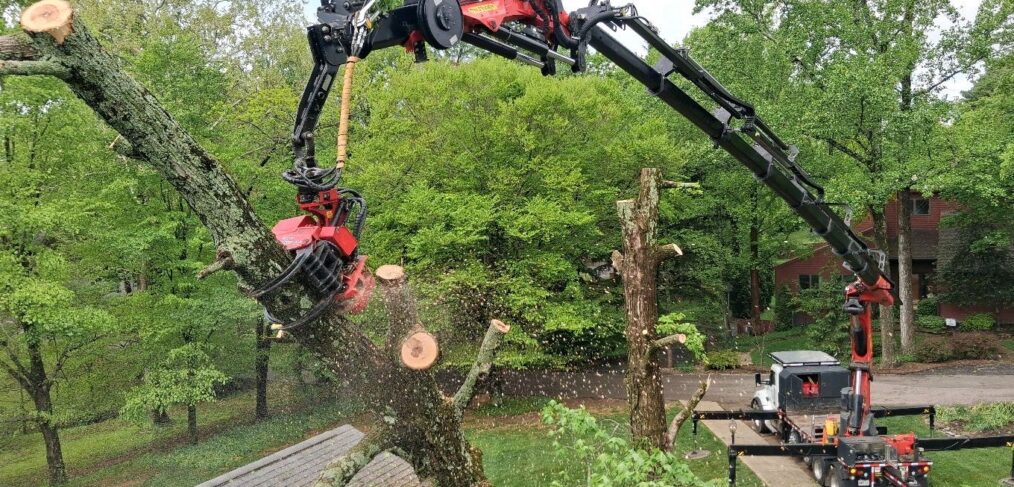
  • Mechanized cuts (Sennebogen 718, grapple-saw trucks)
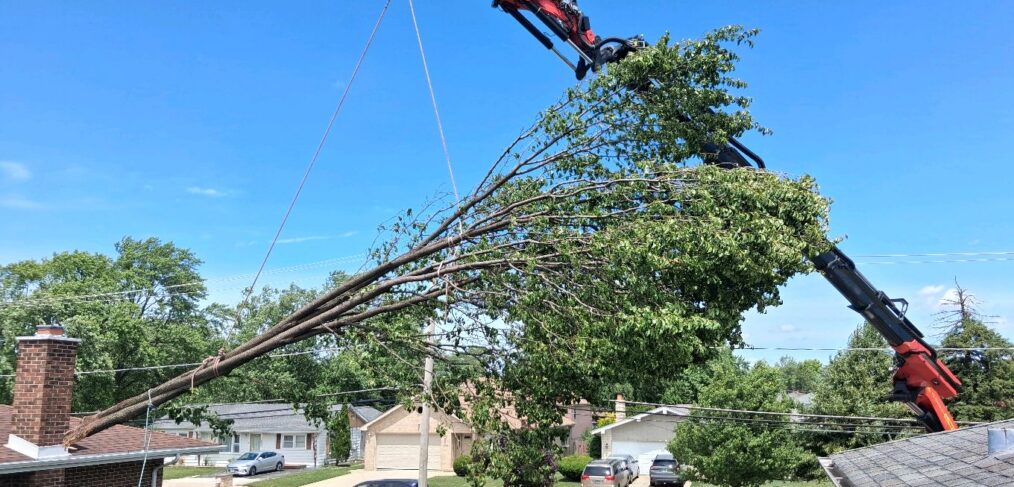
  • Storm debris removal
  • Horizontal grinding & recycling

Our winter schedule books fast — and missing the bat window can stop progress until October.

📝 Final Takeaway

If you have 2025 or 2026 projects that require tree clearing, the time to schedule is now.

Waiting until March is almost guaranteed to create delays.

Don’t let the bat window hold your project hostage.

Bluestone Tree can help you clear early, stay compliant, and protect your schedule

Matt Baldwin

ISA Certified Arborist IN-3202A

ISA Tree Risk Assessment Qualified

OISC Certified Applicator F238042

Bluestone Tree

Winter Mulching for Trees: Why It Matters

Winter Mulching for Trees: Why It Matters

At Bluestone Tree, our ISA Certified Arborists know that mulch is more than decorative groundcover—it’s a protective layer that keeps your trees healthy year-round. Applying mulch before cold weather arrives gives roots an insulated blanket, helps soil hold essential moisture, and ensures your trees are ready to thrive when spring returns. While many homeowners think of mulching as a spring task, fall is actually one of the most important times to give your trees this simple but powerful protection.


Why Mulching Before Winter Is Essential

Trees face very different challenges in winter than they do during the growing season. Because temperatures fluctuate, winds dry out the air, and soil can freeze, mulching becomes a critical part of preventive care. When applied properly, mulch works in several key ways to safeguard your landscape.

Insulates Roots from Extreme Cold

First, mulch helps stabilize soil temperatures. Without insulation, shallow roots may be exposed to repeated freeze–thaw cycles that cause stress or even physical damage. By moderating these extremes, mulch prevents sudden changes that could shock delicate root systems and keeps the ground at a more consistent temperature.

Prevents Winter Drought Stress

In addition, mulch slows the loss of soil moisture. Even during dormancy, tree roots continue to require water. Dry winds and frozen topsoil can make that water difficult to access, but a mulch layer reduces evaporation and helps maintain steady soil moisture levels.

Reduces Frost Heaving and Soil Movement

Another benefit is protection against frost heaving. When soil freezes and thaws repeatedly, it can expand and contract, loosening roots or creating air pockets around them. Mulch reduces this movement and helps roots remain anchored, preventing unnecessary stress during winter dormancy.

Supports Soil Health Year-Round

Finally, organic mulch materials gradually decompose, feeding soil microbes and enriching the root environment. Even though decomposition slows in winter, the activity beneath a mulch layer continues, supporting healthier soil that gives your trees a head start when the weather warms.


How to Apply Mulch Correctly

While mulching may seem simple, the details matter. Applying mulch incorrectly can actually harm trees instead of helping them. For best results, arborists recommend paying attention to materials, depth, and timing.

Best Materials for Tree Mulch

Organic options are always preferred because they provide both insulation and long-term soil improvement. Excellent choices include:

  • Wood chips

  • Shredded bark

  • Whole Tree Mulch

  • Composted leaves

Avoid stone, rubber, or other inorganic mulches. While they may look neat, they do not insulate roots or improve soil biology.

Correct Depth and Width

Mulch should generally be applied 2–4 inches deep. Too thin, and it will not provide enough protection; too thick, and it can suffocate roots or trap excess moisture. Ideally, mulch should extend outward as far as possible toward the tree’s drip line. Just as important, always leave a 2–3 inch gap around the trunk itself to prevent decay and pest problems.

Timing Your Mulch

Applying mulch before the winters first freezing temperature insulates roots from freezing temps, locks in soil moisture, and protects against freeze–thaw damage — giving trees a healthier start in the spring.


Common Mulching Mistakes to Avoid

Unfortunately, some common practices can do more harm than good. Here are three mistakes we see most often:

  • Mulch Volcanoes: Piling mulch high against the trunk creates the perfect environment for rot and pests.

  • Too Much Mulch: Anything deeper than 4 inches reduces oxygen flow and can lead to root suffocation.

  • Wrong Materials: Inorganic options like rocks and rubber don’t provide insulation or support soil health.

By avoiding these mistakes, you ensure your trees receive the full benefit of mulching without unnecessary risks.


Why Work with an ISA Certified Arborist

Every yard is different, and factors like soil type, tree species, and local climate affect how mulch should be applied. That’s why it’s best to consult a certified arborist. Our team at Bluestone Tree follows science-based standards to deliver mulching services tailored to your property. We make sure your trees enter winter with the best possible protection, setting them up for long-term health and growth.


Contact Bluestone Tree for Winter Tree Care

Bluestone Tree is a family-owned company proudly serving Indiana. Our certified arborists provide professional tree care designed to protect your landscape through every season.

📞 Contact us today to schedule your winter mulching service.


Emergency Tree Removal at the Monroe County Courthouse: Why Tree Risk Assessments Matter

Emergency Bloomington Tree Removal at Monroe County Courthouse

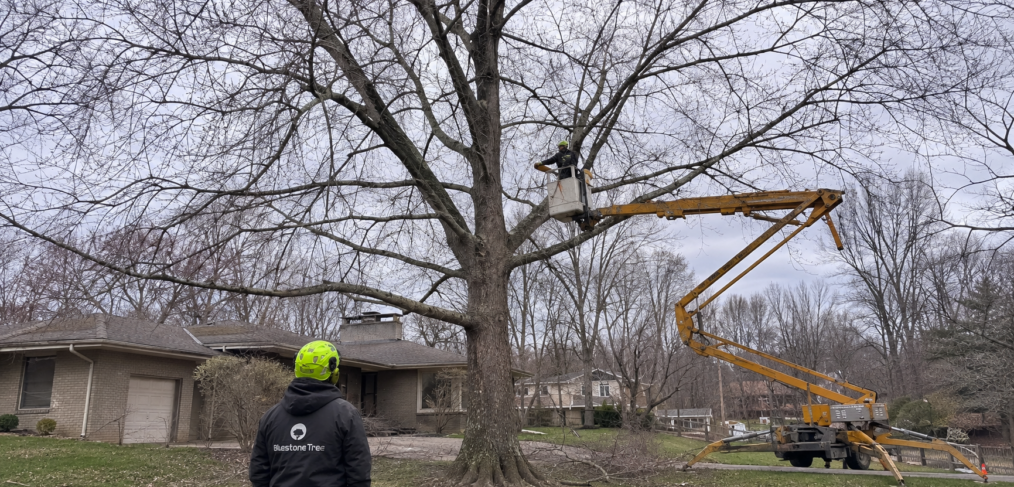
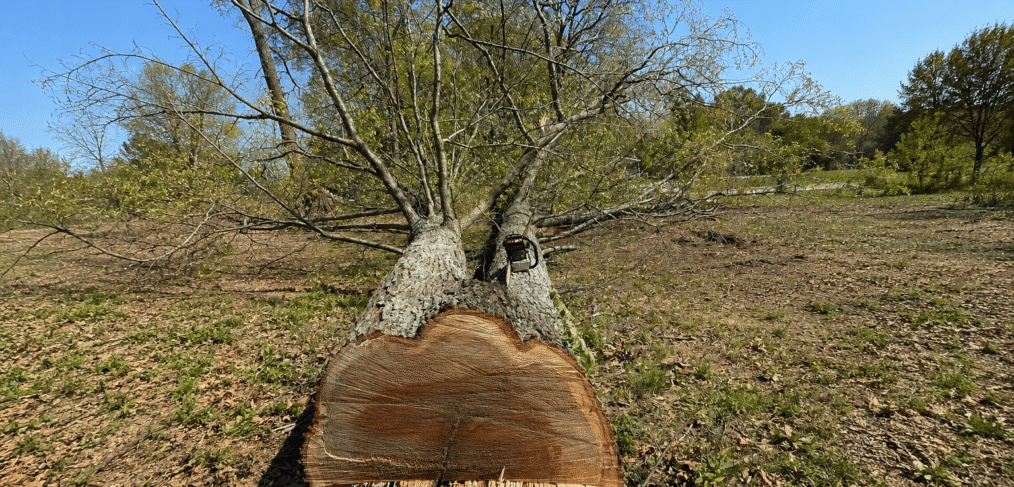
At Bluestone Tree, our ISA Certified Arborists recently completed a Bloomington tree removal project at the historic Monroe County Courthouse in downtown Bloomington, Indiana. The tree in question—a large, mature Pin Oak—had become a serious safety hazard. This project highlights how professional tree services in Bloomington protect public spaces.

Tree Emergency at the Bloomington Courthouse

In early August, a major limb failure occurred on the north side of the courthouse, damaging a parked vehicle and exposing advanced decay in the trunk. As ISA Certified Arborists and Tree Risk Assessment Qualified professionals, our team was called to evaluate the situation and recommend the safest course of action.

Why Bloomington Tree Removal Was the Only Safe Option

In some cases, pruning or bracing can extend the life of a tree. But in this case, the level of trunk decay and the tree’s location near busy sidewalks and parking areas in Bloomington made removal the only choice.

Hazardous trees near high-traffic public areas require immediate action. That’s where Bluestone Tree comes in.

Bloomington Tree Services We Provide

Our professional team specializes in:

  • Emergency Bloomington tree removal
  • Tree risk assessments by ISA Certified Arborists
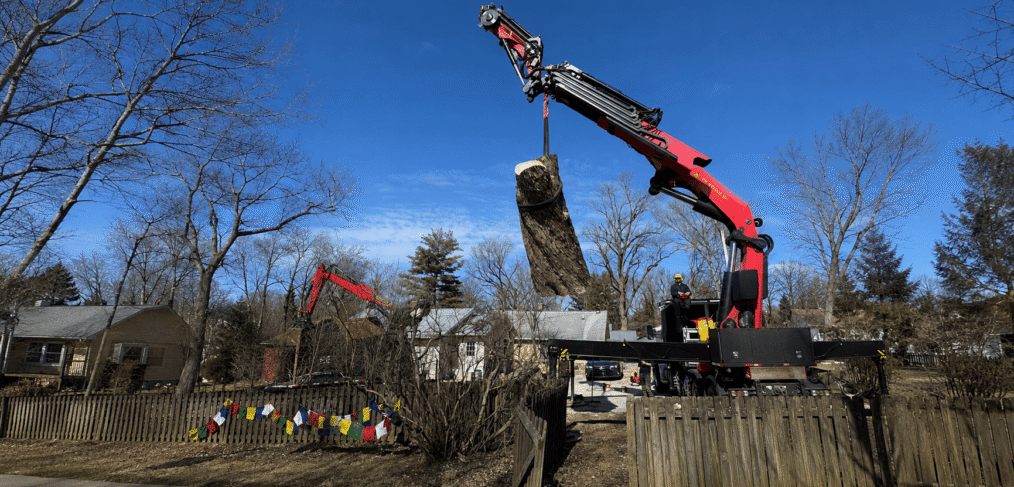
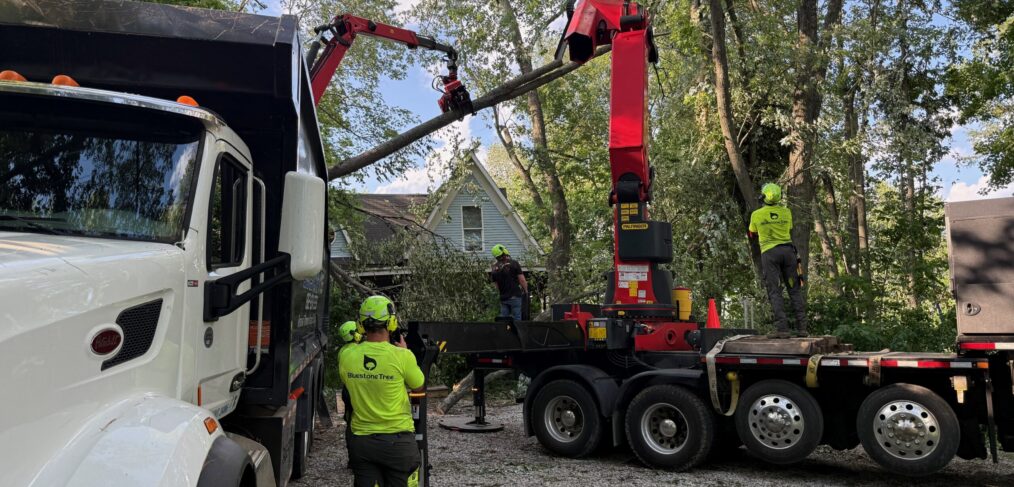
  • Safe tree cutting and crane-assisted removals
  • Urban tree management for municipalities and public spaces
  • Storm damage cleanup and hazardous limb removal

Our crew worked efficiently to remove the Pin Oak while preserving the courthouse infrastructure and ensuring public safety.

The Importance of Bloomington Tree Risk Assessments

This case underscores the value of routine tree inspections in Bloomington—especially in public spaces. Many trees hide internal decay until a failure occurs.

A professional tree risk assessment by a certified arborist can:

  • Detect early warning signs of decay or weakness
  • Prevent costly property damage
  • Guide proactive decisions about pruning or removal
  • Protect pedestrians, drivers, and nearby buildings

Contact Bluestone Tree for Bloomington Tree Removal and Services

At Bluestone Tree, we provide professional tree removal and arborist services in Bloomington, Monroe County, and surrounding Indiana communities. Whether you need routine care, an emergency tree removal, or a comprehensive risk evaluation, our ISA Certified Arborists are ready to help.

Contact us today to schedule your tree inspection or consultation.


Call Now

arborist jon bieker and bluestone tree sign

I Never Would Have Thought

by Jonathan Bieker

Over the course of the last two years I found myself saying this phrase time and time again.

If you read all the way through this post you will find out why. For those who are interested, my name is Jonathan Bieker and I work at Bluestone Tree.

Read More