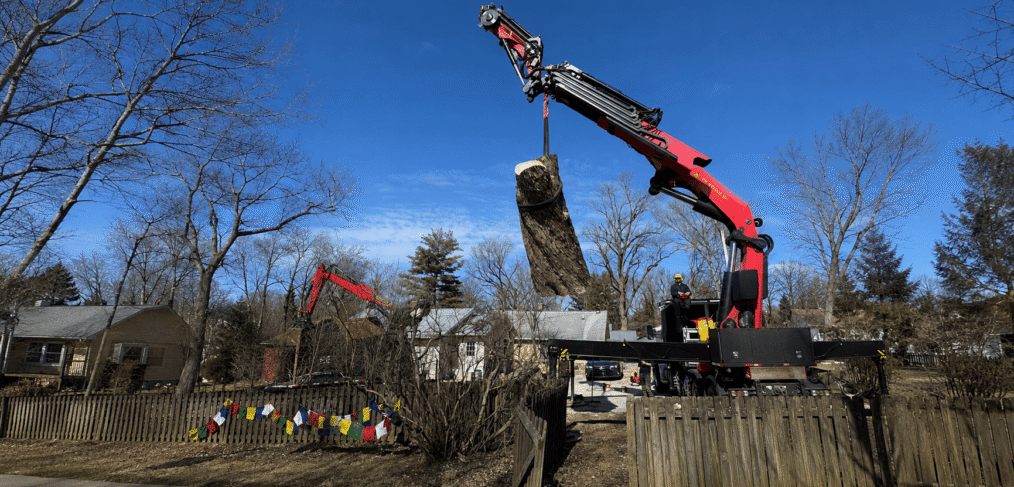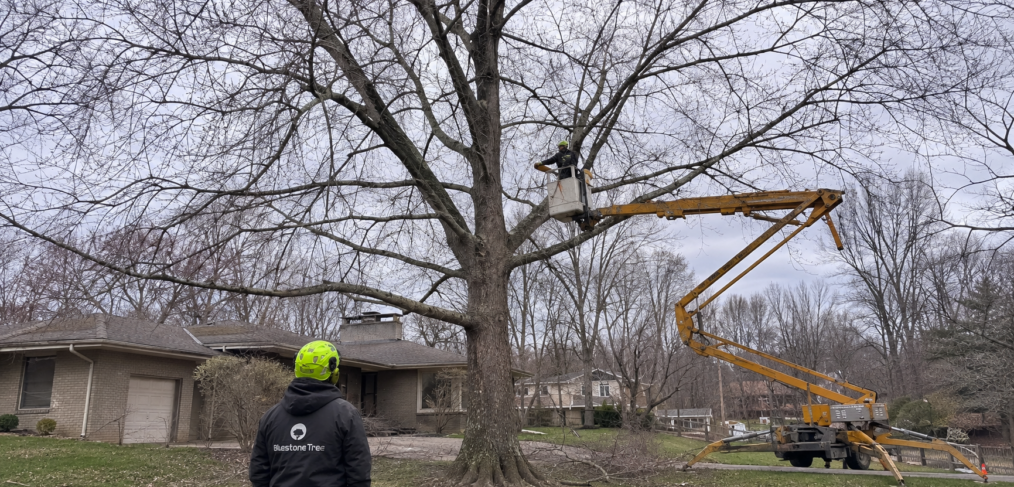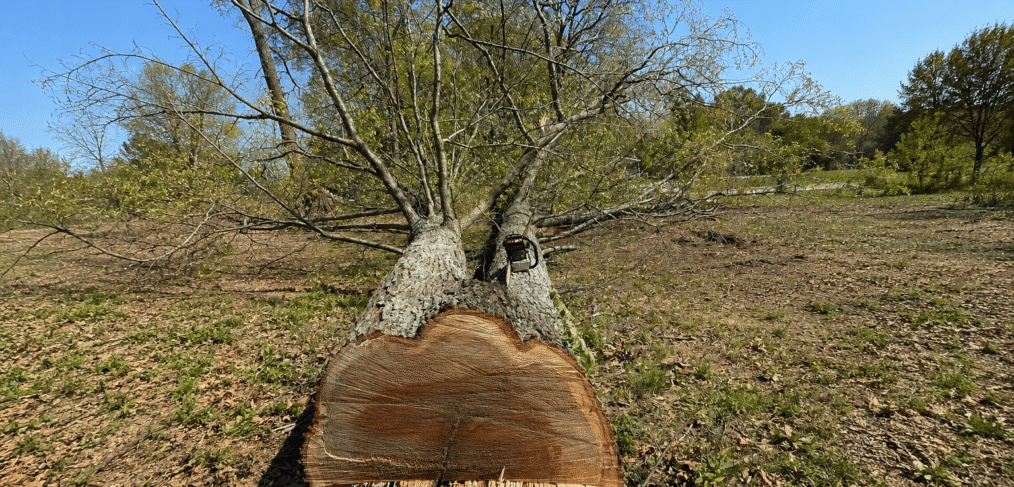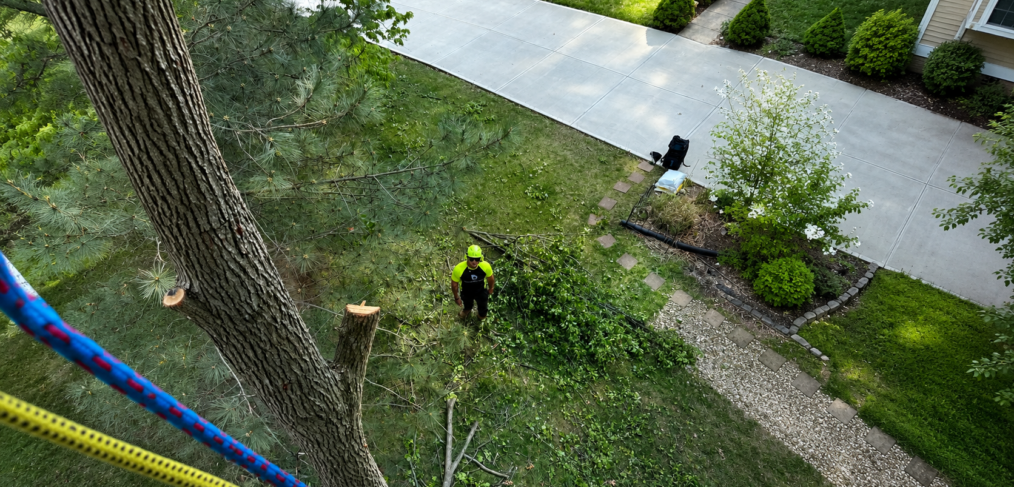
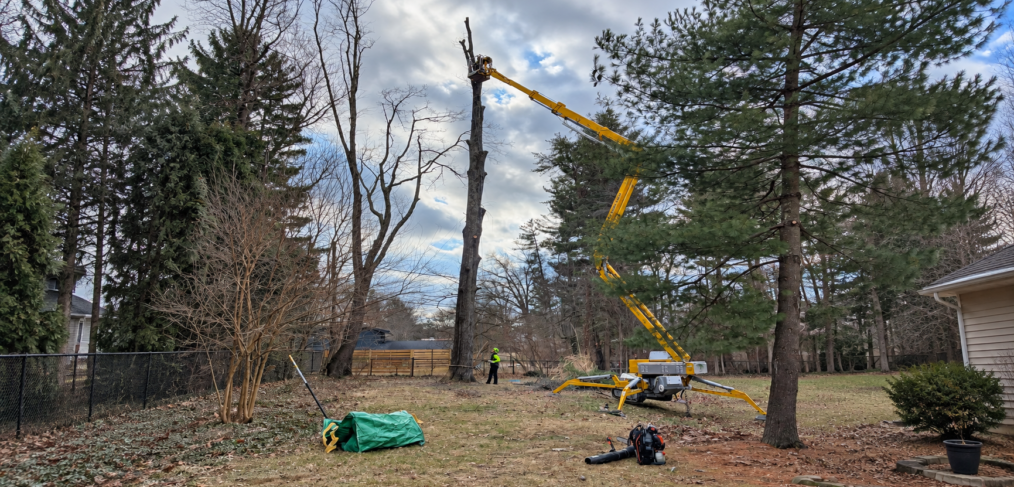
Leaning hardwood tree showing signs it may need removal in Bloomington, IN

Tree Removal Bloomington IN: 7 Warning Signs to Watch For

7 Signs a Tree Needs to Be Removed This Summer and Fall in Bloomington, IN

If you’re researching tree removal Bloomington IN options this summer or fall, you’re probably standing in your yard sizing up a tree that doesn’t look right anymore. Trees are one of the best features of a Bloomington-area property — in neighborhoods like Elm Heights, Renwick, Hyde Park, Hoosier Acres, and Green Acres, and across the wooded lots of Monroe County, Ellettsville, Spencer, Bedford, and Martinsville, mature hardwoods add shade, privacy, and real value to a home. But summer heat and storms — and fall’s leaf drop — tend to expose problems that were easy to miss the rest of the year. Here’s what to look for before deciding.

This guide walks through the most common warning signs that a tree has become a safety risk, with notes on how summer and fall conditions in South Central Indiana make those signs easier — or harder — to spot.

Why Summer and Fall Are the Seasons to Pay Attention

Summer brings heat, humidity, thunderstorms, and high winds — all of which can turn a weakened tree from “watch it” to “hazard” quickly. Fall strips the leaves away and reveals structural problems that were hidden all summer, while also bringing damp conditions that encourage fungal growth. Both seasons matter for another reason: Emerald Ash Borer (EAB) remains active across Indiana, and ash trees weakened by EAB can become brittle and unpredictable within just a few years of infestation.

On larger wooded or rural properties in the region, terrain, soil type, and exposure add extra variables. A visual check from the ground is a good start, but a proper risk evaluation from a trained professional is the most reliable way to know what you’re dealing with.

7 Signs a Tree May Need Removal

1. A New or Worsening Lean
A tree that has developed a noticeable lean — especially toward your house, garage, or power lines — is one of the clearest red flags. Summer storms and saturated fall soils can both accelerate an existing lean. Look closely for cracks or splits in the trunk or major limbs, which often indicate the structure has already started to fail.

2. Extensive Dead or Dying Branches
Large dead limbs in the canopy (sometimes called “widow-makers”) are a serious hazard on their own. In summer, watch for branches that never fully leafed out or canopy sections that look sparse. In fall, dead leaves that cling to branches long after the rest have dropped are a sign of decline — this is especially common in ash trees affected by EAB.

3. Signs of Disease or Pest Infestation

  • Emerald Ash Borer: According to the Indiana DNR Division of Forestry, small D-shaped exit holes, S-shaped tunneling under loose bark, increased woodpecker activity, and canopy thinning that starts at the top.
  • Fungal growth: mushrooms or shelf-like conks growing at the base or on the trunk, which usually point to internal decay. These often show up more in damp summer stretches or after fall rain.
  • Discolored or wilting foliage: premature leaf drop or a patchy, uneven canopy during peak growing season can signal root or vascular problems.

4. Root Damage or Poor Anchorage
Exposed or decaying roots, soil heaving near the base, or mushrooms in the root zone all suggest the tree isn’t well anchored. Nearby construction or soil compaction — common in growing parts of the Bloomington area — can contribute to this over time. Fall’s leaf drop tends to make root-zone issues easier to see.

5. Storm Damage
After any significant summer storm, it’s worth walking your property to check for broken limbs, torn bark, or cracks that run deep into the wood. A tree can look fine right after a storm and still have hidden internal damage that shows up as a failure months later.

6. Poor Location or Overcrowding
Trees planted too close to a house, with roots pressing on a foundation, or growing into power lines can become a long-term liability — even if they’re otherwise healthy. This is a common issue in Bloomington’s older, more established neighborhoods.

7. Significant Overall Decline
When more than half of a tree’s canopy shows deadwood, dieback, or decay, removal is usually the safer and more practical option compared to ongoing treatment.

Summer Watch-Outs (June–August)

Heat and humidity put extra stress on trees that are already weakened by pests or prior damage, and thunderstorms have a way of revealing structural weaknesses fast. EAB adult activity also peaks in summer, which is when D-shaped exit holes are easiest to spot. It’s worth walking your property after any heavy storm to check for new leans or fallen debris.

Late summer often brings drought stress on top of it — trees don’t handle sharp swings between wet and dry conditions well, so consistent, appropriate watering during dry stretches can go a long way toward reducing stress-related decline.

Fall Watch-Outs (September–November)

Once leaves drop, structural issues and dead branches become much easier to see. Fungal fruiting bodies also tend to show up more in fall’s damp conditions. This makes fall a good window for a professional evaluation before winter storms arrive, since dormant-season pruning or removal typically has the least impact on the surrounding landscape. It’s also a good time to plan replanting with native species suited to the area.

When Pruning or Treatment Might Be Enough

Not every issue calls for full removal. Minor deadwood, early-stage pest problems, or small structural defects can often be addressed with pruning, cabling, or targeted treatment instead. A qualified arborist, following ISA tree risk assessment guidelines, should be able to walk you through the options honestly — removal is typically recommended only when the risk clearly outweighs the value of trying to save the tree.

What a Professional Tree Assessment Looks Like

Tree removal Bloomington IN homeowners can rely on should always start with an on-site visit from a trained arborist, who checks the tree against established risk-assessment standards rather than relying on a quick visual guess. A good assessment should leave you with a clear picture of the tree’s condition and a straightforward set of options — pruning, removal, or continued monitoring — so you can make an informed decision for your property.

Frequently Asked Questions

How can I tell if my ash tree has Emerald Ash Borer?
Look for small D-shaped exit holes, canopy thinning that starts at the top, bark splitting, and increased woodpecker activity. Symptoms can look similar to other types of stress, so professional confirmation is the best way to know for sure.

Is it safe to wait until fall to remove a tree showing signs in summer?
It depends on severity. Minor issues can often wait. But a tree that’s leaning, cracked, or heavily damaged near a structure should be addressed promptly rather than waiting out the season.

Will my homeowners insurance cover tree removal?
This varies by policy and situation, so it’s worth checking directly with your insurer. Coverage is more common for trees that fall on a structure during a storm, and less common for preventive removal. Photos and a written assessment from a professional can help support a claim either way.

Do I need a permit to remove a tree in Bloomington?
Permit rules for tree removal Bloomington IN properties can vary depending on your location — for example, some historic districts have additional guidelines. Check with the City of Bloomington or Monroe County directly for current rules before removing a tree.

What should I do after removal?
Stump grinding and replanting with a native, well-suited species are the two most common next steps. Local resources like the Monroe County Soil & Water Conservation District can help with species selection.

How often should trees be assessed?
An annual check is a reasonable baseline for mature trees, with an additional look after any major storm or during high-risk seasons like summer and fall.

Bluestone Tree crew providing Bloomington tree service for a residential property

Professional residential tree care and tree service in Bloomington and South Central Indiana.

Tree Removal Bloomington IN: Protect Your Property This Season

Catching these signs early — during summer or fall, before winter storms arrive — can prevent costly emergencies and help preserve the trees that make this region’s neighborhoods worth living in. If you’re seeing any of the warning signs above, it’s worth having a professional take a look before deciding what to do next.

Bluestone Tree provides tree risk assessments and removal services throughout Bloomington, Ellettsville, Bedford, Martinsville, and the surrounding South Central Indiana area. Call 812-824-3335 or visit bluestonetree.com to schedule an evaluation.

Every property is different — the guidance above is general in nature. A site-specific evaluation from a qualified arborist is the most reliable way to assess your tree’s condition.

Arborist safely removing a large tree at a Bloomington IN home

Tree Removal Cost in Bloomington: A 2026 Homeowner’s Price Guide

Tree Removal Cost in Bloomington: A 2026 Homeowner’s Price Guide

When a storm rolls through Monroe County or a mature tree starts dropping limbs over the driveway, one of the first questions Bloomington homeowners ask is what it will cost to take it down safely. Knowing the typical tree removal cost Bloomington homeowners pay in 2026 helps you budget ahead, spot a fair quote, and avoid both overpaying and cutting dangerous corners.

Whether you’re in an established neighborhood like Renwick, Elm Heights, Hyde Park, or Green Acres, or further out toward Ellettsville, Bedford, or Monroe Lake, mature trees define the local landscape. They add shade, privacy, and real property value — but once they become diseased, storm-damaged, or structurally risky, professional removal becomes the safe choice. This guide breaks down realistic 2026 price ranges, the factors that move the number, when pruning beats removal, and what to expect from a reputable local crew.

Why Tree Removal Costs Vary So Much in Bloomington

Unlike a flat-rate service, tree removal pricing is highly customized — and for good reason. No two properties in Bloomington are the same, especially across the wooded, hilly lots common in east and southeast Bloomington and the rural edges of the county.

That’s why ethical providers quote after an on-site look rather than throwing out a phone number sight-unseen. Access, terrain, proximity to the house, tree condition, and cleanup all shift the price. Local demand also plays a role: storm seasons, ongoing Emerald Ash Borer (EAB) damage, and routine maintenance all affect scheduling and availability across Monroe County.

Typical Tree Removal Price Ranges in Bloomington, IN

The ranges below are general regional estimates for context only — not a quote. Your actual price depends on the specifics of your property and requires a site visit.

  • Small trees (under 30 ft): roughly $450–$1,200. Younger ornamentals, volunteer trees, and smaller yard specimens with easy access. Basic removal and initial debris handling are usually included.
  • Medium trees (30–60 ft): roughly $1,200–$2,500. Many residential trees in neighborhoods like Elm Heights or Renwick land here. Nearness to structures or added equipment can push toward the top of the range.
  • Large trees (over 60 ft): commonly $2,500–$5,500+. Mature oaks and maples in Bloomington’s older areas often need a crane or specialized rigging, especially in tight spaces near homes.

Complex or emergency jobs can exceed these ranges. The most reliable number always comes from an on-site evaluation with a clear, itemized quote.

Additional Costs to Budget For

Removal rarely ends at felling the tree. Plan for related work:

  • Stump grinding: about $250–$500+, depending on diameter and access. Grinding stops regrowth and removes a tripping hazard so you can replant or landscape.
  • Debris removal and hauling: often bundled into a professional quote. Many crews recycle material into mulch or wood chips rather than sending it to a landfill.
  • Crane or specialized equipment: can add $500–$2,000+ for large or hard-to-reach trees common on Bloomington’s sloped lots.
  • Emergency or post-storm work: may carry a premium due to urgency and safety demands, though honest providers keep pricing fair even after major weather events.
  • Permits and compliance: most private-property removals proceed straightforwardly, but city right-of-way trees (often the strip between the road and sidewalk) and some protected or historic areas may require city approval. Always confirm before work begins.

Ask for an itemized proposal so you understand the full scope.

What Affects Tree Removal Cost Bloomington Homeowners Pay

Several factors determine your specific price:

  1. Size and species — larger, denser, heavier trees take more labor and equipment.
  2. Location and access — trees near homes, power lines, fences, or on slopes raise costs due to rigging and risk.
  3. Tree condition — dead, leaning, or storm-damaged trees over structures are higher-risk and demand extra care to remove without property damage.
  4. Debris volume — more branches and trunk mean more hauling time.
  5. Crew training and equipment — qualified crews using proper safety protocols and modern gear reduce the risk of injury and property damage.
  6. Season and demand — post-storm periods run busy, while dormant-season work sometimes offers better availability.

Tree Removal vs. Pruning: Which Does Your Tree Actually Need?

Not every problem tree needs to come down. In many cases, an early consultation with a certified arborist catches issues while they’re still treatable — meaning targeted pruning or plant health care can extend a tree’s life and keep it safe at a lower cost than full removal.

Professional pruning scope varies widely, so it’s worth an assessment before assuming the worst. A trustworthy company will recommend removal only when safety or tree health genuinely requires it.

Signs a Tree May Need Removal

  • Extensive decay or large dead branches over structures
  • A significant lean toward your home
  • Severe EAB or pest damage
  • Roots threatening a foundation or driveway
  • Repeated dropping of dead limbs or thinning canopy
  • Mushrooms or fungi growing at the base or over the roots
  • Consistent dieback in the upper canopy

If you’re seeing several of these, it’s worth having a professional take a look sooner rather than later.

Why Professional Removal Is Worth It

A clean, professional removal protects your property value, reduces liability and insurance risk, and keeps your family safer than a DIY attempt on a large or compromised tree. It also opens space for smarter replanting suited to your yard — and in Bloomington’s established neighborhoods, a tidy job preserves curb appeal and neighborhood character.

What the Professional Process Looks Like

A quality provider follows a clear, structured approach:

  1. Contact and scheduling — a prompt response, especially for potential hazards.
  2. On-site assessment — a qualified arborist evaluates the tree, the risks, and your options.
  3. Detailed quote — a transparent breakdown with no hidden fees.
  4. Execution — safe, efficient work with minimal disruption and full cleanup.
  5. Follow-up — guidance on replanting, maintenance, or ongoing care.

Bluestone Tree follows this standard with trained, certified staff, responsible recycling of wood material, and a focus on educating homeowners rather than upselling them.

Frequently Asked Questions

How long does tree removal take?
Most residential jobs finish in a few hours to a full day, depending on size and complexity.

Will my insurance cover it?
Sometimes — storm damage or a tree that has fallen on a structure may be covered, and documentation from a professional assessment helps. Coverage varies by policy, so check with your insurer.

Do I need a permit in Bloomington?
Most private-property removals typically don’t require one, but city right-of-way trees and protected or historic areas may. Confirm with the City of Bloomington for your specific situation.

What about the stump?
Many homeowners choose to grind the stump right after removal for a clean, ready-to-landscape yard.

Get a Straight Answer on Your Tree

General ranges are a useful starting point, but the only accurate tree removal cost Bloomington figure for your property comes from a professional on-site evaluation. If you’re worried about a tree in Renwick, Elm Heights, or anywhere in the greater Bloomington and South Central Indiana area, it’s better to act before it becomes an emergency.

Bluestone Tree offers on-site assessments, transparent itemized quotes, and safe, thorough work. Call 812-824-3335 or request a free estimate to get recommendations tailored to your property.